

Plagiocephaly
Who we help
Plagiocephaly, often referred to as flat head syndrome, is when a baby develops a flattened area on one side or the back of their head.
It can be worrying to notice a change in your baby’s head shape, especially when you are already navigating feeding, sleep, tummy time, development and the general overwhelm of early parenthood.
At Better., we take a calm, gentle and thorough approach. We assess how your baby’s head, neck, spine and body are moving, and help you understand what may be contributing to the flat spot.
Plagiocephaly is common in babies and does not affect brain growth, but early assessment can be helpful because head shape and movement patterns are often easier to support while babies are still young.

Do you notice:
flat spot on one side of your baby’s head?
flattening at the back of your baby’s head?
one ear sitting slightly further forward than the other?
unevenness through the forehead or face?
your baby always turning their head to one side?
difficulty turning their head both ways?
a preferred feeding side?
discomfort or frustration during tummy time?
stiffness through the neck, shoulders or body?
difficulty lying comfortably in certain positions?
concern after a difficult birth, forceps, vacuum delivery or prolonged positioning?
These signs do not always mean something serious is wrong, but they are worth having assessed.
The earlier you understand what is happening, the more options you usually have to support your baby’s movement and head shape.

What causes plagiocephaly?
A baby’s skull is soft and flexible, especially in the first months of life. This is normal and allows for birth, growth and brain development.
Plagiocephaly commonly develops when repeated pressure is placed on one area of the head. This can happen when a baby prefers to lie or turn one way, spends long periods on their back, or has reduced neck movement.
Some babies may also have tension through the neck, often called torticollis, which can make it harder for them to comfortably turn their head both ways. When this happens, they may keep resting on the same part of the skull.

Plagiocephaly and neck movement
Head shape is often only part of the picture.
When we assess a baby with plagiocephaly, we also look at how well they can move their neck, shoulders, spine and body.
A baby who strongly prefers one side may also show signs like:
feeding better on one breast or bottle position
turning their head one way more easily
becoming upset when encouraged to turn the other way
struggling with tummy time
rolling or moving unevenly
developing a flat spot on the preferred resting side
At Better., our role is to assess whether there are movement restrictions or areas of tension that may be contributing to the pattern.
How chiropractic care may help
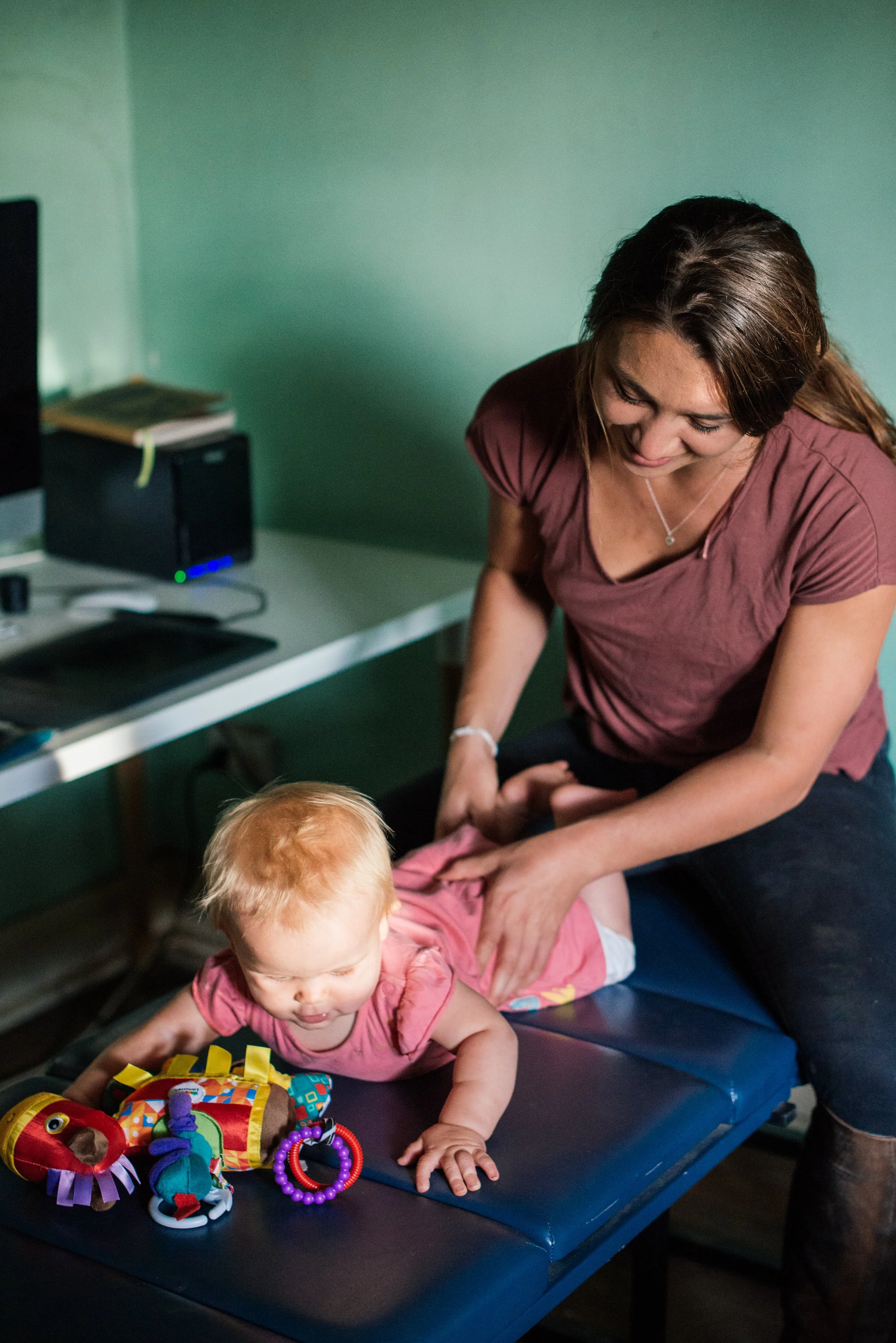
Chiropractic care for babies is gentle, specific and adapted to their age and size.
For babies with plagiocephaly, care may focus on supporting:
neck movement
spinal mobility
comfort during tummy time
feeding and positioning symmetry
body movement and development
reduced preference for one side
parent education around positioning and handling
At Better., we do not “reshape” your baby’s skull with force. That is not what care is about.
The focus is on helping your baby move more freely and comfortably, so they are not constantly resting, feeding or turning in the same pattern.

What parents can do at home
Home strategies are often an important part of managing plagiocephaly.
Depending on your baby’s age and assessment findings, we may guide you with:
supervised tummy time while awake
changing the direction your baby looks during play
alternating feeding and carrying positions
encouraging gentle turning both ways
reducing unnecessary time in capsules, swings or seats
using toys, mirrors and your face to encourage head turning
safe sleep positioning advice
Supervised tummy time while your baby is awake is commonly recommended to help reduce pressure on the back of the head and support strength for milestones such as rolling, sitting and crawling. Babies should still be placed on their backs for sleep unless your medical provider advises otherwise.
When referral may be needed
Most cases of positional plagiocephaly are managed conservatively, but some babies need further assessment.
We may recommend referral to your GP, child health nurse, physiotherapist, paediatrician or specialist if:
the head shape is severe
the flat spot is worsening quickly
your baby has very restricted neck movement
there are concerns about development
the skull shape seems unusual
craniosynostosis needs to be ruled out
helmet assessment may be appropriate
There is another, less common type of head shape concern called craniosynostosis where the skull bones fuse too early. This is different from positional plagiocephaly and needs medical assessment.

Our approach at Better.
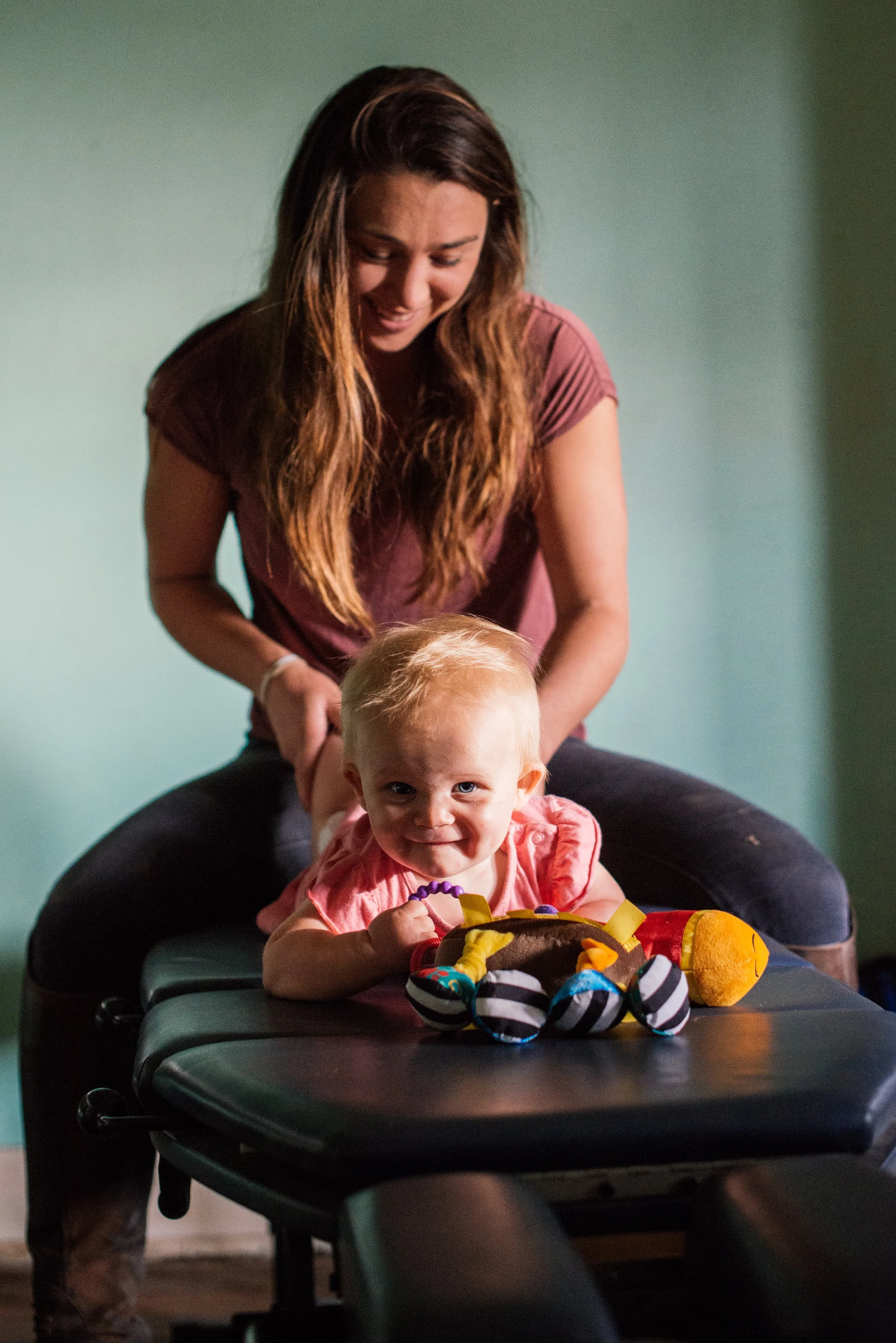
Your baby’s first appointment is calm, gentle and parent-led.
We will take a detailed history, including pregnancy, birth, feeding, sleep, tummy time, preferred positions and developmental milestones.
We then gently assess:
head shape
neck range of motion
spinal and body movement
muscle tension
feeding and positioning patterns
comfort in different positions
developmental movement patterns
We explain what we find in plain language and talk through the most appropriate next steps.
No pressure. No scare tactics. No making parents feel guilty.
Just clear information, gentle care where appropriate, and practical guidance you can use at home.
Plagiocephaly care may be especially helpful if your baby:
always turns their head one way
has a visible flat spot
dislikes tummy time
struggles to feed evenly on both sides
seems stiff or uncomfortable
had a difficult, assisted or long birth
spends a lot of time in one preferred position
is not moving their head freely both ways
has been diagnosed with torticollis or suspected neck tightness
You do not need to wait and see if you are worried.
A gentle assessment can help you understand whether your baby’s head shape is likely to improve with time, whether home strategies are needed, or whether another provider should be involved.
Book a plagiocephaly assessment
If you have noticed a flat spot, uneven head shape or strong head-turning preference in your baby, we would be happy to help.
Book an initial infant consultation with the team at Better.