
Bulging Discs
Who we help
A bulging disc can be painful, frustrating and worrying.
It may affect how you sit, stand, walk, sleep, work, drive or exercise. Some people feel a deep ache in the back or neck. Others experience sharp pain, stiffness, muscle guarding, or symptoms that travel into the arms or legs.
At Better., we help people understand what may be happening with their spine, what role a disc may be playing, and what can be done to support better movement, comfort and function.
A disc issue can feel serious, but it does not always mean you are broken, fragile or stuck with pain forever.
Do you experience:
lower back pain?
neck pain?
pain travelling into your leg or arm?
sciatica-type symptoms?
numbness, tingling or pins and needles?
weakness in the arm, hand, leg or foot?
pain that worsens when sitting?
pain when bending, lifting or twisting?
stiffness or muscle spasm?
difficulty standing upright?
pain that comes and goes in flare-ups?
fear around moving because of your back or neck?
These symptoms can be linked with disc irritation, but they can also come from other structures in the spine, muscles, joints or nervous system.
That is why a proper assessment matters.
What is a bulging disc?
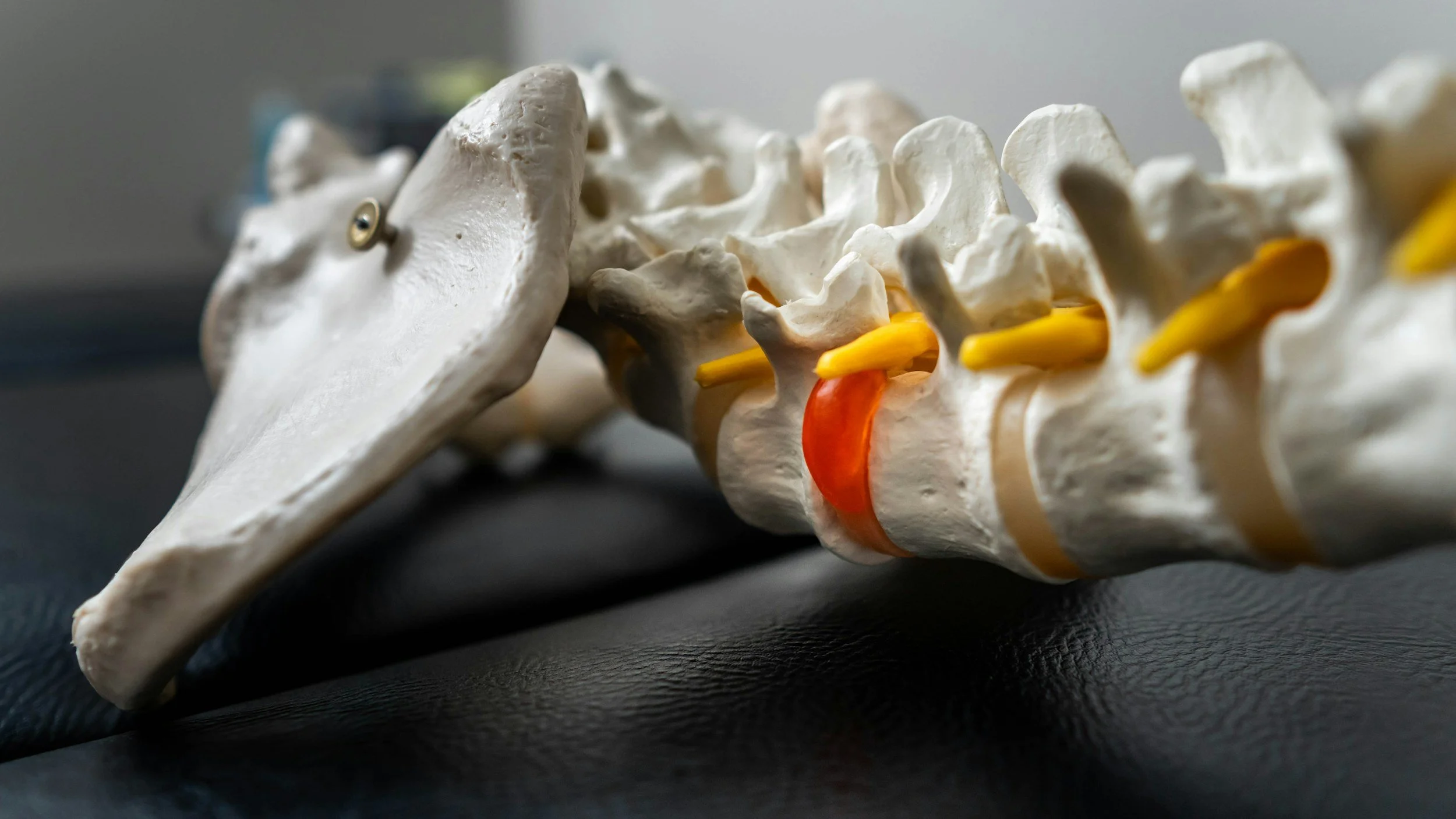
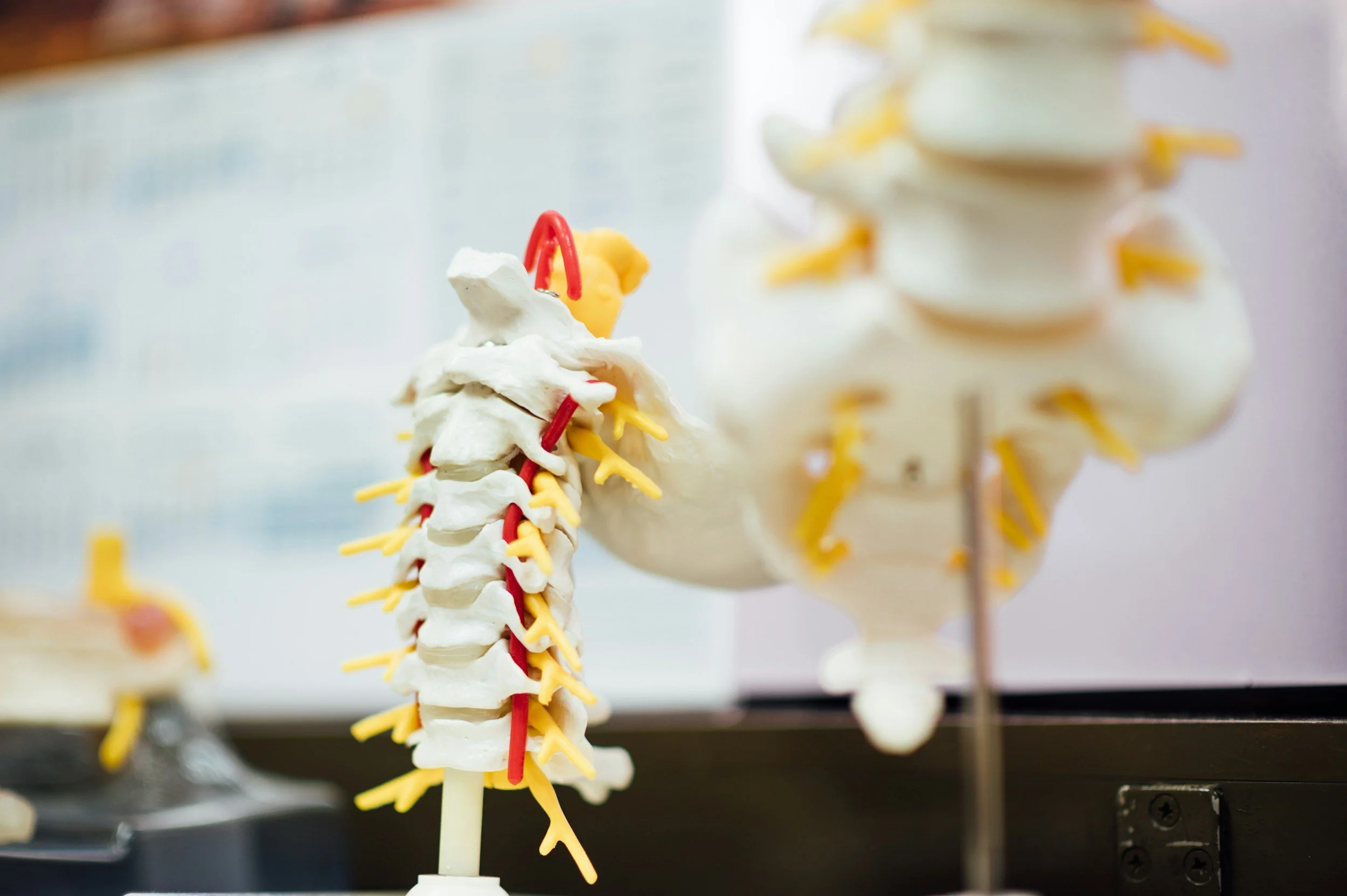
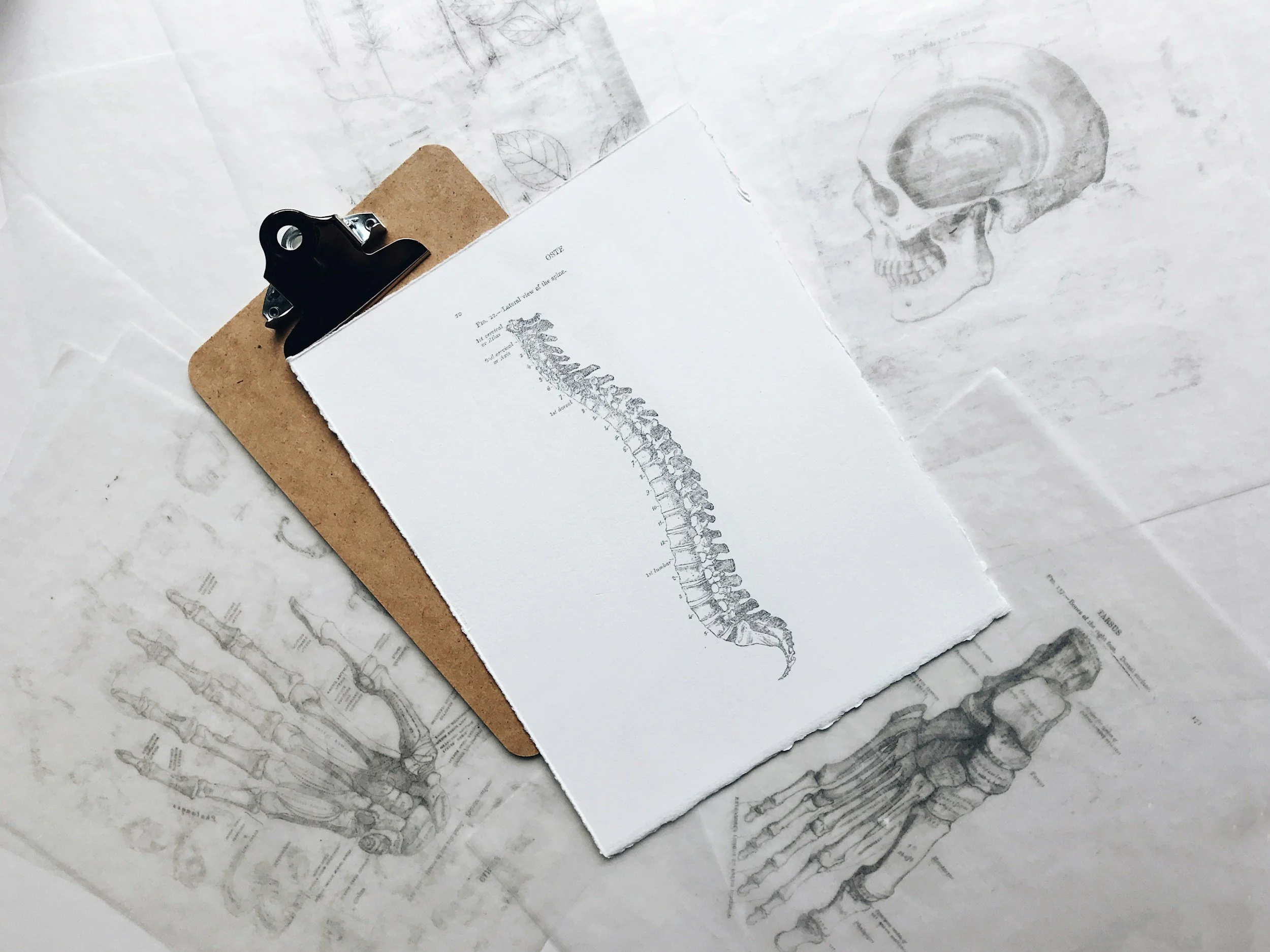
Between the bones of your spine are discs.
These discs help absorb load, allow movement and create space between the vertebrae.
A bulging disc happens when part of the disc extends beyond its usual boundary. Sometimes this irritates nearby nerves. Sometimes it does not cause any symptoms at all.
This is important: not every disc bulge causes pain.
Research has shown that disc bulges are common in people who have no back pain at all. So while a scan may show a disc bulge, that does not automatically mean it is the main cause of your symptoms.
At Better., we look at your symptoms, movement, function, history and assessment findings — not just the wording on a scan report.
Disc bulge, herniation and nerve irritation
Disc problems are often described using different terms, including:
disc bulge
disc protrusion
disc herniation
disc extrusion
disc sequestration
These terms describe different changes in the disc, but the most important question is not just what the scan says.
The important questions are:
Is the disc irritating a nerve?
Is there inflammation?
Is there weakness, numbness or loss of function?
Is your movement being affected?
Are your symptoms improving, worsening or staying the same?
Is chiropractic care appropriate for your situation?
Disc pain can vary from mild and annoying to severe and disabling. The right approach depends on your presentation.

Can bulging discs improve?
Yes, many disc-related symptoms can improve with time and the right care.
Your body is not static. Discs, nerves, muscles and joints can settle, adapt and recover.
However, recovery depends on many factors, including the severity of symptoms, nerve involvement, lifestyle, work demands, movement patterns, inflammation, previous injuries and general health.
Our goal is to help you understand what is going on and create a plan that supports recovery safely and appropriately.
We will not promise a quick fix or pretend every disc issue is the same.
Our approach at Better.
Your first appointment is designed to give you clarity.
We take the time to understand:
when your pain started
where you feel symptoms
whether pain travels into the arms or legs
whether you have numbness, tingling or weakness
what movements aggravate or relieve symptoms
your work demands and daily load
previous injuries or scans
your goals for care
We then assess your spine, posture, movement, joint function and nervous system.
This may include orthopaedic testing, neurological screening, reflexes, strength checks and movement assessment.
If clinically needed, we may recommend X-rays, MRI referral through your GP, or further medical assessment.

Chiropractic care and disc-related pain
Chiropractic care may help support people with disc-related symptoms by improving how the spine and surrounding joints are moving.
Depending on your assessment findings, care may focus on:
improving spinal mobility
reducing unnecessary load through irritated areas
supporting better movement patterns
reducing muscle guarding and tension
improving comfort with sitting, standing or walking
supporting nervous system function
helping you feel more confident moving again
Care is always adapted to your presentation. If a technique is not appropriate for your condition, we do not use it.

When nerve symptoms are involved
Disc irritation can sometimes affect nearby nerves.
This may cause symptoms such as:
pain down the leg or arm
pins and needles
numbness
burning or electric pain
weakness
reduced reflexes
changes in coordination
Nerve symptoms should be assessed properly. Some cases can be managed conservatively, while others need medical review or imaging.
At Better., we screen for signs that your symptoms may need further investigation, and we will refer when needed.

When urgent medical care is needed
Some symptoms should not be ignored.
Please seek urgent medical care if you experience:
loss of bladder or bowel control
numbness around the groin or saddle area
significant or worsening leg weakness
difficulty walking due to weakness
severe pain with fever or feeling very unwell
unexplained weight loss with spinal pain
major trauma
symptoms that are rapidly worsening
These are not common, but they need prompt medical attention.
What to expect at your first appointment
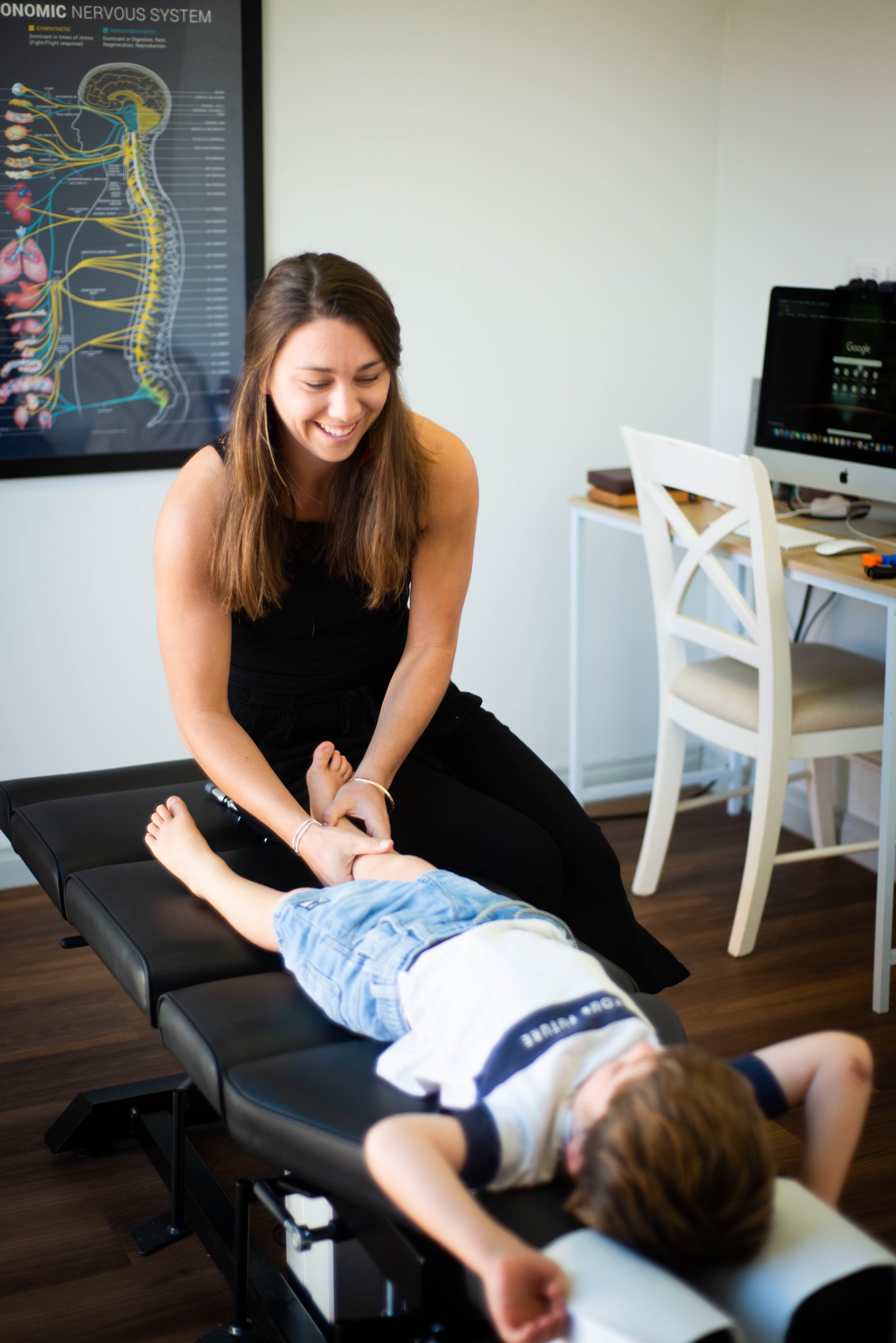
At your initial consultation, we will:
talk through your symptoms and health history
review any previous imaging or reports you have
assess your posture, spinal movement and function
perform nerve-related testing where appropriate
identify areas of restriction, tension or irritation
discuss whether further imaging or referral is needed
explain what we find in plain language
recommend care only if suitable
You should leave with a clearer understanding of what may be contributing to your pain and what the next step should be.
You are not your scan report
Being told you have a bulging disc can be frightening.
But a disc finding on a scan does not automatically mean your spine is damaged beyond repair, or that pain is permanent.
The key is understanding whether the disc finding actually matches your symptoms and function.
That is why we assess the person, not just the picture.
Book a bulging disc consultation
If you have been told you have a bulging disc, or you are experiencing back pain, neck pain, sciatica, numbness, tingling or nerve-type symptoms, book an initial consultation with the team at Better.
We will help you understand what is going on and whether chiropractic care may be appropriate for you.