

Growth & Development
Who we help
Children grow and change quickly.
From the first weeks of life through to toddlerhood, school years and teenage development, their bodies are constantly adapting. Every stage brings new movement, new demands and new milestones.
At Better., we support children by assessing how their spine, nervous system and body are functioning as they grow.
We take a gentle, practical and family-focused approach. Our goal is to help parents better understand their child’s movement, comfort, posture and development — and whether chiropractic care may be appropriate.
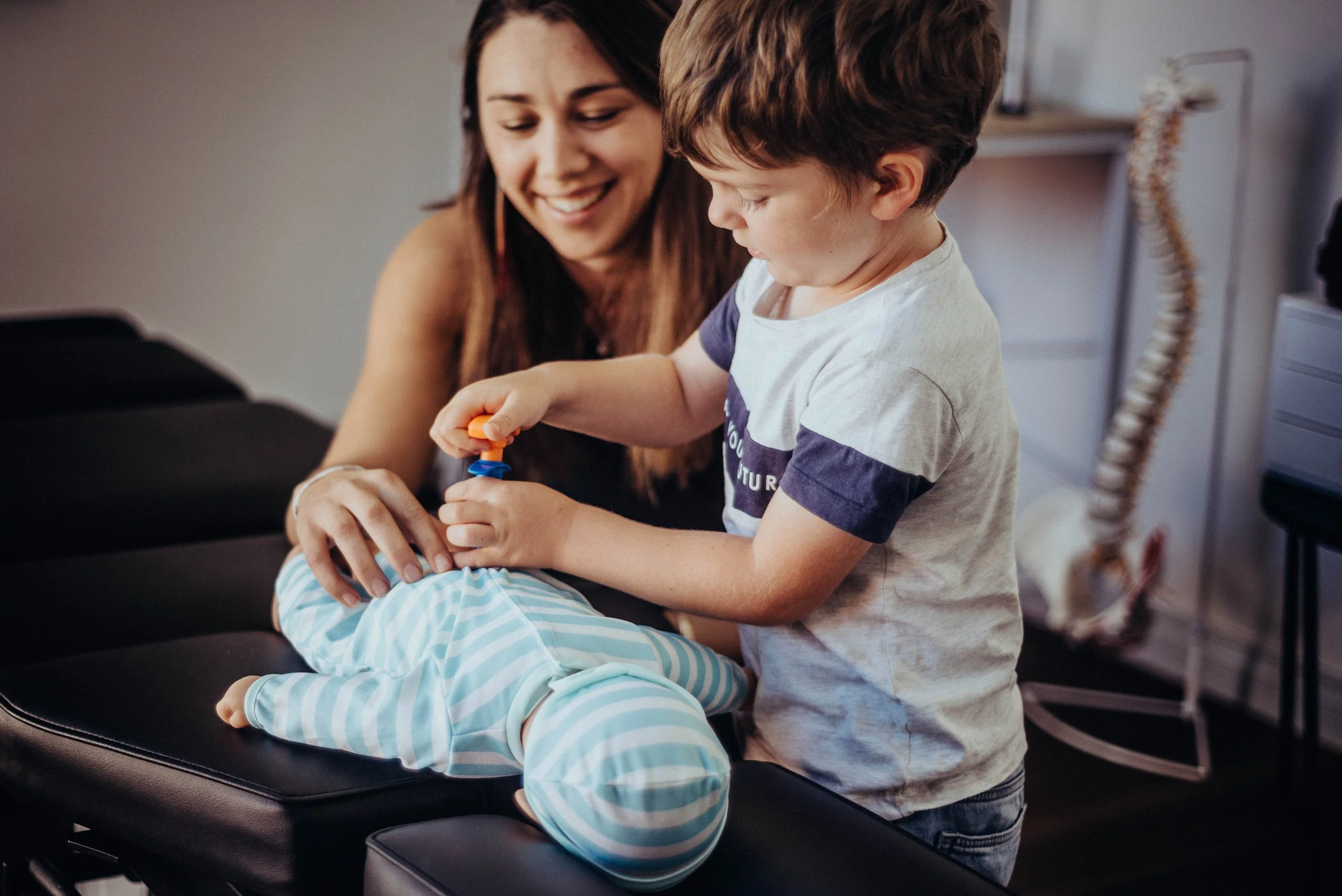
Supporting children as they grow
Growth and development are not just about getting taller.
A child’s body is developing coordination, balance, strength, posture, movement patterns and nervous system control.
As children grow, they move through key stages such as:
lifting and turning their head
tummy time
rolling
sitting
crawling
standing
walking
running
climbing
jumping
playing sport
sitting at school
managing posture and screen use
adapting to rapid teenage growth
Each stage asks something different of the body.
When a child is stiff, restricted, uncomfortable or favouring one side, it may affect how they move and develop.
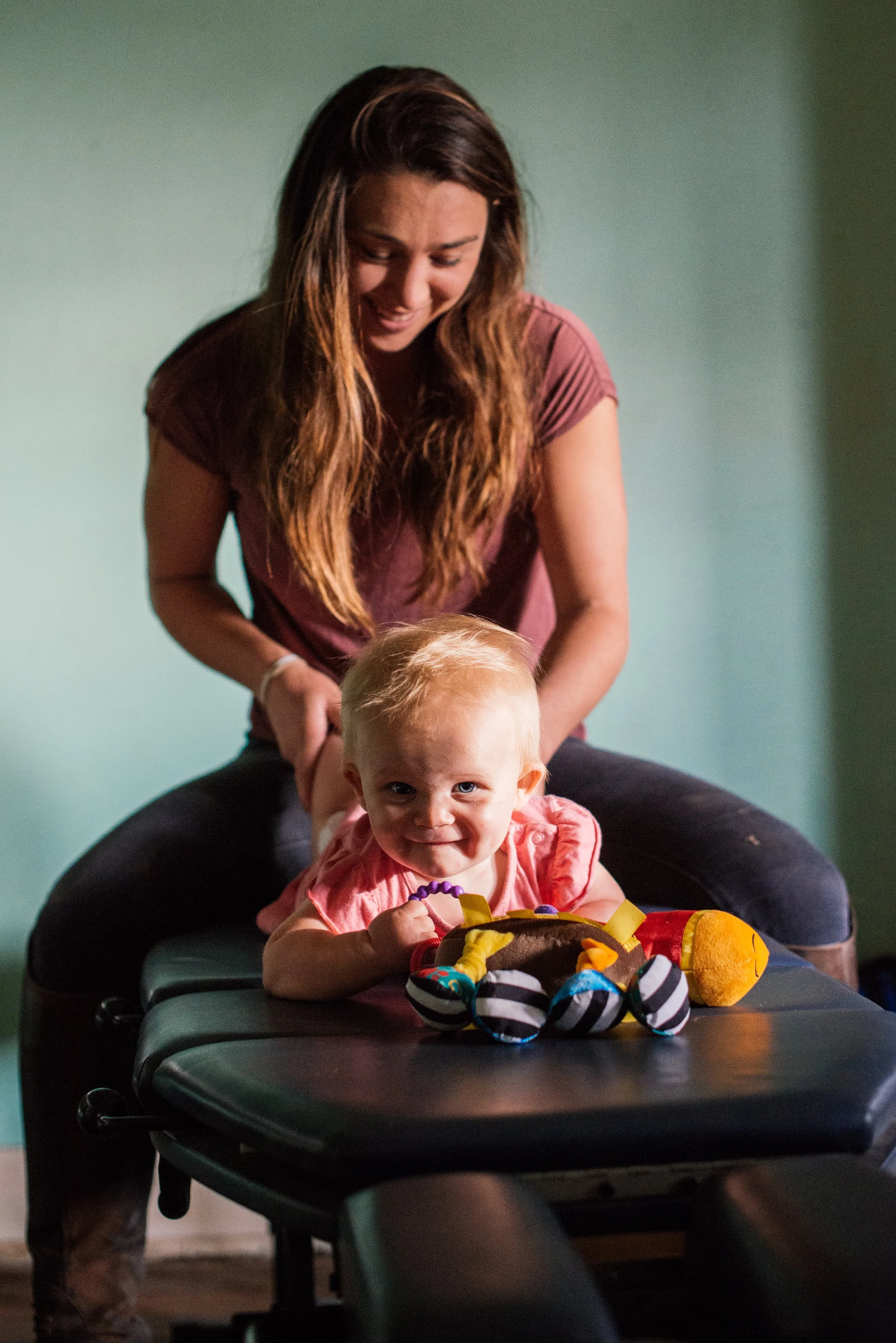
Parents may bring their child in for:
head turning preference
flat spots or head shape concerns
difficulty with tummy time
feeding or latching challenges
stiffness through the body
favouring one side
unsettledness or discomfort
difficulty lying comfortably in the car seat or capsule
birth-related tension
monitoring early movement and milestone
Infants
frequent tumbles or falls
delayed or uneven movement patterns
difficulty crawling, walking or climbing
poor balance or coordination
toe walking
stiffness or tension
sleep or settling concerns
posture concerns
general developmental check-ups
Toddlers

poor posture
headaches
back or neck discomfort
growing pains or general aches
sports injuries
scoliosis concerns
reduced flexibility
screen and study-related tension
uneven movement
recurring injuries or niggles
performance and prevention support
These concerns do not always mean something serious is wrong, but they are worth assessing if you feel your child is uncomfortable, restricted or not moving as well as they could.
Children and teenagers

Developmental milestones and movement
Milestones are useful markers, but every child develops at their own pace.
What matters is not only when a child reaches a milestone, but also how they are moving.
For example:
Do they always turn one way?
Do they dislike tummy time?
Do they skip crawling?
Do they sit or stand unevenly?
Do they walk with one foot turned out?
Do they fall more than expected?
Do they avoid certain activities?
Do they complain of pain after sport or school?
Do they seem stiff, tense or uncomfortable?
At Better., we look at movement quality, posture, symmetry, comfort and how your child’s body is adapting.

The nervous system and development
The nervous system plays a major role in how children move, coordinate, balance, sleep, regulate and respond to the world around them.
As children grow, their brain and body are constantly communicating.
When their spine, joints, muscles or nervous system are under stress, they may show signs through their posture, movement, comfort, coordination or behaviour.
Chiropractic care does not replace medical or developmental care. However, it may help support better movement, body awareness and nervous system function as part of a broader approach to your child’s wellbeing.
Birth, growth and everyday knocks
Children’s bodies go through a lot.
Birth, feeding positions, car seats, tummy time, learning to walk, playground falls, sport, school bags, screens and rapid growth can all place stress on the body.
Most children adapt well, but sometimes they develop patterns of tension, restriction or compensation.
These patterns may show up as:
favouring one side
recurring stiffness
poor posture
reduced mobility
repeated falls
difficulty with certain movements
discomfort after activity
headaches
back or neck pain
uneven sporting performance
Our role is to assess whether your child’s body is moving and functioning as well as it should.
Our approach at Better.
Your child’s first appointment is calm, thorough and age-appropriate.
We take the time to understand:
pregnancy and birth history where relevant
feeding, sleep and settling
milestones and movement development
posture and gait
school, sport and activity levels
falls, injuries or previous concerns
your child’s current symptoms or behaviour changes
what you as a parent have noticed
We then gently assess your child’s movement, posture, spine, joints and nervous system function.
Everything is explained clearly. We involve parents throughout the appointment and make sure your child feels safe and comfortable.
No pressure. No scare tactics. No making parents feel guilty.
Just a clear assessment, honest explanation and practical next steps.

Chiropractic care may help support:
Depending on your child’s assessment findings, chiropractic care may help support:
better spinal and joint movement
improved posture and movement awareness
reduced muscle tension
improved comfort during play and activity
better symmetry and body coordination
support through growth spurts
improved mobility and flexibility
confidence with movement
general wellbeing and function
Care is always adapted to your child’s age, size, comfort level and stage of development.

When referral may be needed
Some growth and development concerns need input from another provider.
We may recommend referral to your GP, child health nurse, physiotherapist, occupational therapist, speech pathologist, paediatrician, podiatrist or other provider if we notice concerns such as:
significant milestone delay
abnormal muscle tone
ongoing feeding or weight gain concerns
developmental regression
persistent toe walking
unusual gait patterns
suspected scoliosis requiring imaging
worsening pain
neurological signs
symptoms outside the scope of chiropractic care
We are clear about when chiropractic care is appropriate and when another provider should be involved.
What to expect at your child’s first appointment
At the initial consultation, we will:
discuss your child’s history and your concerns
ask about movement, sleep, feeding, school or sport where relevant
assess posture, movement and spinal function
check for areas of restriction, tension or imbalance
explain what we find in plain language
discuss whether referral or further investigation is needed
recommend care only if appropriate
You should leave with a better understanding of how your child’s body is functioning and what the next step may be.
Helping children grow with confidence
Children do not need to be in obvious pain to benefit from understanding how their body is moving.
Sometimes parents bring their child in because they have noticed something small. Other times, they want support through sport, posture, growth spurts or development.
At Better., we help families feel informed, supported and confident about their child’s body.
Our aim is simple: to help children move well, grow well and feel comfortable in their bodies.
Book a growth and development consultation
If you have concerns about your child’s posture, movement, comfort, coordination, milestones or general development, book an initial consultation with the team at Better.
We will help you understand what is going on and whether chiropractic care may be appropriate.