
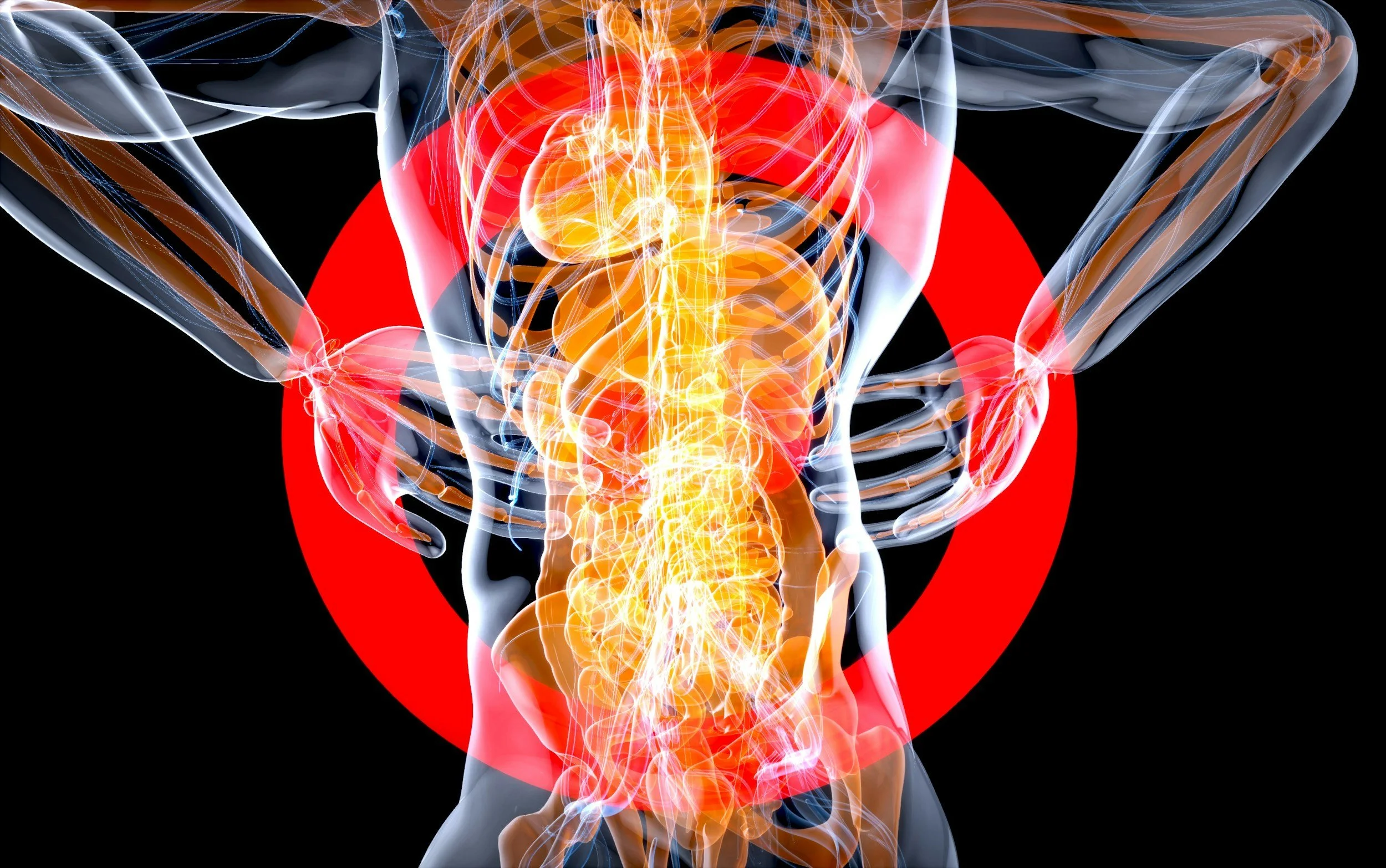
Nerve Pain & Issues
Nerve pain can feel strange, uncomfortable and unsettling.
It may show up as sharp pain, burning, tingling, numbness, pins and needles, weakness or sensations that are hard to describe. Some people feel pain travelling down the leg or arm. Others notice reduced grip, heaviness, crawling sensations, sensitivity or changes in how part of the body feels.
At Better., we help people understand what may be irritating the nervous system, where the symptoms may be coming from, and whether chiropractic care may be appropriate.
Nerve symptoms should not be ignored. They are your body’s way of telling you that something needs proper assessment.

Do you experience:
pins and needles?
numbness or tingling?
burning or electric-type pain?
sciatica-type symptoms?
pain travelling down your arm or leg?
weakness in the arm, hand, leg or foot?
reduced grip strength?
altered sensation?
sharp, shooting pain?
crawling, buzzing or strange skin sensations?
pain that worsens when sitting, bending or moving?
symptoms linked with a disc bulge?
carpal tunnel-type symptoms?
nerve pain that keeps returning?
These symptoms can come from several different causes, including irritation, compression, inflammation or altered function around the spine, joints, muscles or nerves.
A proper assessment helps identify what may be contributing and whether further investigation is needed.
What causes nerve pain?
Nerve pain can happen when a nerve becomes irritated, compressed or sensitised.
This may be linked with:
disc bulges or disc irritation
spinal joint restriction
inflammation
muscle tension or spasm
poor posture
repetitive strain
previous injury
whiplash or trauma
narrowing around the spinal joints
nerve entrapment through the arm or leg
prolonged sitting or poor movement patterns
stress and nervous system overload
Sometimes the problem is coming from the spine. Sometimes it is coming from the shoulder, elbow, wrist, hip, knee, ankle or surrounding soft tissue.
That is why we assess the whole picture, not just the area where you feel the symptom.
Sciatica and leg pain
Sciatica is one of the most common nerve-related concerns people talk about.
It usually refers to pain or nerve symptoms travelling from the lower back or pelvis into the buttock, leg or foot.
You may feel:
shooting pain down the leg
burning or tingling
numbness
weakness
pain when sitting
pain when bending or lifting
symptoms that travel below the knee
difficulty standing or walking comfortably
Sciatica-type symptoms can be linked with disc irritation, joint restriction, muscle tension or other causes of nerve irritation.
At Better., we assess your lower back, pelvis, hips, movement and nervous system to better understand what may be driving the symptoms.
Arm, hand and carpal tunnel-type symptoms
Nerve symptoms can also affect the upper body.
You may notice tingling, numbness, weakness or pain into the shoulder, arm, wrist or hand.
This can be related to:
neck irritation
shoulder or upper-back tension
nerve compression
poor posture
repetitive desk or tool work
wrist or hand strain
carpal tunnel-type symptoms
The location of your symptoms does not always tell the whole story.
For example, tingling in the hand may be related to the wrist, but it may also involve the neck, shoulder or nerve pathway through the arm.
That is why we assess how the whole chain is functioning.
Nerve symptoms and disc issues
Disc bulges, disc herniations or disc irritation can sometimes affect nearby nerves.
When this happens, symptoms may travel away from the spine into the arms or legs.
You may experience:
sharp or shooting pain
numbness
tingling
weakness
reduced reflexes
pain with certain movements
symptoms that change depending on posture
Not every disc bulge causes nerve pain, and not every nerve symptom is caused by a disc. Many people have disc changes on imaging without pain.
At Better., we look at your symptoms, movement, neurological signs and history — not just scan wording.
Our approach at Better.
Your first appointment is designed to give you clarity.
We take the time to understand:
where your symptoms are
what they feel like
when they started
whether they are improving, worsening or changing
what movements aggravate or relieve them
whether you have weakness, numbness or altered sensation
your work, lifestyle and injury history
any previous imaging or diagnoses
We then assess your spine, posture, movement, joint function and nervous system.
This may include neurological screening, strength testing, reflex checks, sensation testing, orthopaedic testing and movement assessment.
Where clinically appropriate, we may recommend X-rays, GP review, MRI referral or further investigation.
Chiropractic care may help support:
Depending on your assessment findings, chiropractic care may help support:
improved spinal and joint movement
reduced muscle tension and guarding
reduced physical stress around irritated areas
better posture and movement awareness
improved comfort with sitting, standing and walking
improved mobility through the spine and limbs
better nervous system function
reduced compensation through other areas
confidence returning to normal activity
Care is always tailored to your presentation.
If a technique is not appropriate for your condition, we do not use it.
When nerve pain needs urgent care
Some nerve symptoms need prompt medical attention.
Please seek urgent medical care if you experience:
loss of bladder or bowel control
numbness around the groin or saddle area
significant or worsening weakness
difficulty walking due to weakness
sudden loss of coordination
symptoms after major trauma
severe pain with fever or feeling very unwell
rapidly worsening numbness, tingling or pain
These signs are not common, but they should be taken seriously.
What to expect at your first appointment
At your initial consultation, we will:
talk through your symptoms and health history
review any scans or reports you already have
assess posture, movement and spinal function
check nerve-related signs where appropriate
test strength, reflexes and sensation if needed
discuss whether imaging or referral is required
explain what we find in plain language
recommend care only if suitable
You should leave with a clearer understanding of what may be contributing to your nerve symptoms and what your next step should be.
Do not just mask the symptom
Nerve symptoms can be easy to dismiss at first.
A bit of tingling. A little numbness. A shooting pain that comes and goes.
But if symptoms keep returning, spreading, worsening or affecting strength and function, they deserve proper assessment.
At Better., our goal is to help you understand the cause, not just cover the symptom.
Book a nerve pain consultation
If you are dealing with sciatica, pins and needles, numbness, tingling, weakness or nerve-type pain, book an initial consultation with the team at Better.
We will help you understand what is going on and whether chiropractic care may be appropriate for you.